Marine transformers
Long Service Life
Warranty and Technical Support
Fast Delivery
International Certifications
Marine transformers
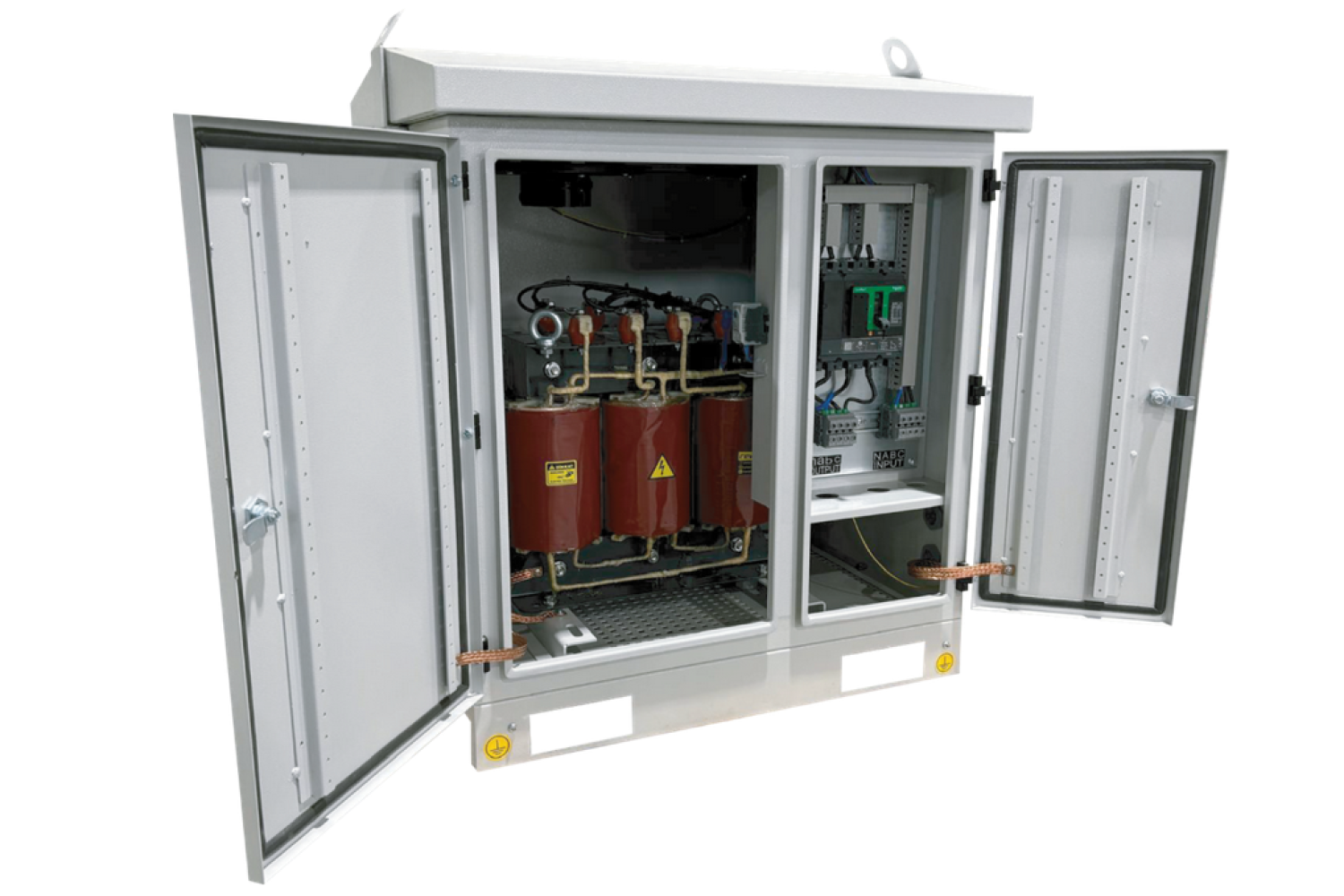
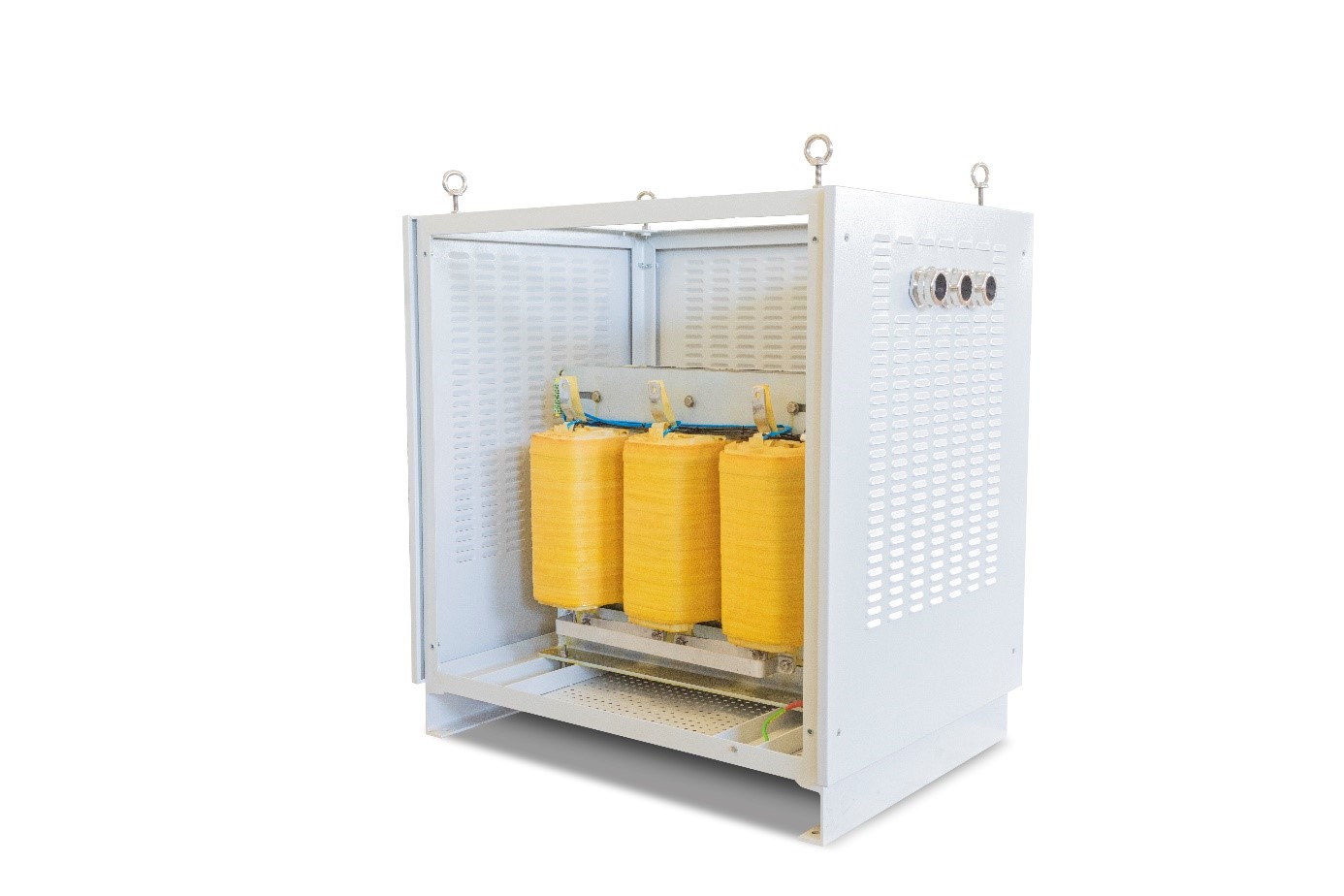
Marine transformers are special transformers used on ships and in the maritime industry. They are used to provide power distribution and perform power conversion in ship electrical systems. Marine transformers may differ from transformers used on land because they are designed to meet the specific requirements of the marine environment.
Some features of marine transformers are as follows:
Compliance with marine standards: Marine transformers are designed and manufactured in accordance with standards and regulations in the shipbuilding industry. This is critical for ship safety and performance.
Protection and durability: The marine environment can be harsh, so marine transformers are generally protected and durable against various external effects. Features such as waterproofing, resistance to salt water, and resistance to vibration play an important role in the design of these transformers.
High efficiency: Marine transformers are designed to increase energy efficiency in ship electrical systems. This helps reduce ship energy costs and fuel consumption.
Compact dimensions: Space on ships is generally limited, so marine transformers can be designed in compact sizes to save space.
Special requirements: Marine transformers can be designed to meet the special requirements of the maritime industry. This provides flexibility to adapt to different voltage levels, frequencies, and power capacities.
Marine transformers are considered critical components for the reliability and performance of ship electrical systems. These transformers play an important role in regulating and distributing the ship’s electrical energy, thereby ensuring the reliable operation of all electrical equipment on board.
The Importance of Routine Maintenance for Marine Transformers
Marine transformers are important components in ship electrical systems and require regular maintenance to ensure continuous and reliable operation. These maintenance procedures ensure a long service life for marine transformer parts, increased energy efficiency, and ship safety. Below are some key points emphasizing the importance of routine maintenance of marine transformer components:
Transformer Oil
The transformer oil used in marine transformers is critical for reliable and efficient transformer operation. During routine maintenance procedures, regularly checking the transformer oil and replacing it when necessary helps preserve the transformer’s insulation and cooling capability.
Insulation and Connections
The insulation and connections of marine transformers should be checked regularly. Missing or damaged insulation may create a risk for transformer safety and performance. The tightness of the connections should also be checked regularly and retightened when necessary.
Cooling Systems
The cooling systems used for marine transformers are important for maintaining the thermal performance of the transformer. Regularly checking cooling water levels and pressures prevents transformer overheating and helps ensure a long service life.
Protection and Control Systems
The protection and control systems used in marine transformers are important to ensure safe transformer operation. Regular testing and calibration of these systems help detect transformer failures at an early stage.
External Surface Cleaning and Protection
The external surfaces of marine transformers should be protected against the effects of the marine environment. They should be cleaned regularly and protected with protective coatings. This increases the transformer’s durability and resistance to external conditions.
Regular maintenance of marine transformers is critical for the reliability, efficiency, and safety of ship electrical systems. Routine maintenance procedures extend transformer life, improve energy efficiency, and ensure uninterrupted ship operations. Therefore, regular maintenance of marine transformers should be taken seriously by ship operators.
Problems That May Be Encountered in Marine Transformers and Their Solutions
Marine transformers are key components of ship electrical systems and may encounter various problems over time. These problems can affect transformer performance and negatively impact ship operations. Below are some common problems encountered in marine transformers and their solutions:
Oil Leakage
Problem: One of the most common problems in marine transformers is oil leakage. This means that transformer oil leaks or escapes.
Solution: When oil leakage is detected, the source of the leak should be identified and the problem should be resolved quickly. The leakage source should be tightly sealed or the leaking parts should be replaced. In addition, regular transformer oil level checks and oil replacement should be carried out.
Insulation Failures
Problem: Insulation failures are another common issue in marine transformers. Insulation failures may jeopardize the electrical safety of the transformer.
Solution: Insulation tests should be performed regularly for early detection of insulation failures. Appropriate measures should be taken to repair or replace defective insulation. In addition, routine maintenance and cleaning of the transformer should be performed.
Cooling Problems
Problem: Problems in the cooling systems of marine transformers may cause overheating and reduced transformer performance.
Solution: Cooling systems should be inspected and maintained regularly. Cooling water level, pressure, and temperature should be monitored regularly, and adjustments should be made when necessary. In addition, air channels and fans should be cleaned and maintained regularly.
Thermal Overloading
Problem: Marine transformers may face overheating problems when operated under high thermal loads.
Solution: Proper transformer sizing and load capacity determination are important. To prevent excessive thermal overloading, transformer operating conditions should be monitored regularly and, when necessary, capacity should be increased or load should be reduced.
Neglected Maintenance
Problem: Neglecting routine maintenance of marine transformers may cause various problems to arise.
Solution: Regular maintenance and periodic inspection of marine transformers enable early detection and prevention of problems. Regular maintenance plans should be established, and maintenance procedures should be performed on time and consistently.
Marine transformers are critical components of ship electrical systems and require regular maintenance and inspection. Early detection and resolution of problems improve transformer reliability and performance and ensure uninterrupted continuation of ship operations.