LED Retrofits in Industrial Projects
LED retrofitting in industrial projects is a significant investment that reduces energy consumption ...

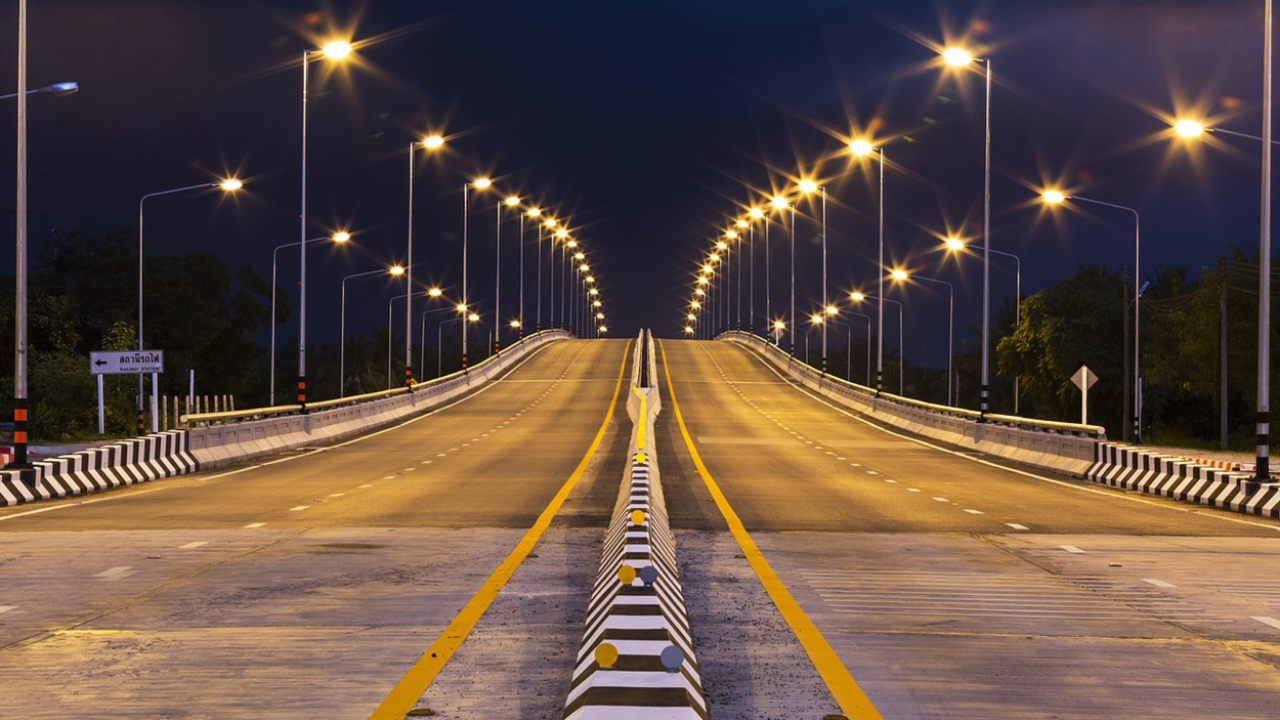
In outdoor lighting projects, the IP protection rating is a critical factor that determines a product’s resistance to dust, water, and harsh weather conditions. This article provides a detailed examination of why the correct IP protection rating is important, how it affects outdoor lighting performance, and why selecting the right one is essential for long-lasting systems.
When selecting products for outdoor lighting projects, criteria such as light output, energy efficiency, design, and service life usually come to the forefront. However, one of the most critical factors that determines real-world performance in field conditions is the IP protection rating. Choosing an insufficient protection level for lighting products that are constantly exposed to external factors such as rain, dust, humidity, temperature changes, wind, mud, intense sunlight, and environmental pollutants can lead to serious problems such as early failure, performance loss, increased maintenance costs, and safety risks. For this reason, the question of why the IP protection rating is critical in outdoor lighting projects must be answered correctly from both a technical and economic perspective. İnpower is one of the solution partners that stands out in outdoor lighting by accurately analyzing project needs and offering a product approach focused on durability, efficiency, and long service life.
The IP protection rating is a technical classification that indicates the level of protection an electrical product provides against solid objects and liquids. The term “IP” defines the international protection standard. The two digits next to this code show the product’s resistance level against external factors. The first digit indicates protection against dust, dirt, and foreign objects, while the second digit indicates resistance to water and moisture.
Since outdoor lighting luminaires are constantly exposed to environmental effects, the IP value becomes a factor that directly affects product lifespan. A luminaire with insufficient IP protection may quickly allow dust or moisture to enter its internal structure, which can both reduce lighting performance and create a risk of malfunction.
| Part of the IP Code | Meaning | Importance |
|---|---|---|
| First Digit | Protection against dust and solid objects | Helps protect internal components from dirt and particles |
| Second Digit | Protection against water and moisture | Ensures safe operation in conditions such as rain, splashing water, and heavy humidity |
Outdoor lighting systems operate in much harsher conditions compared to indoor products. They need to remain durable not only in rainy weather but throughout the entire year against various environmental threats. Products used in open areas may be exposed to high temperatures under the sun during the day and low temperatures at night. In addition, wind-carried dust, exhaust particles, insects, humidity, mud, and water splashes can all put serious strain on the luminaire structure.
The IP protection rating plays a critical role at this point because it:
In other words, the IP protection rating is not just a technical detail; it is a fundamental criterion that determines project quality and investment sustainability.
The long lifespan of an outdoor luminaire does not depend only on the quality of the LED chip or driver used. How well the product’s internal components are protected against external factors is just as important as those parts. If the luminaire housing starts taking in dust over time, if moisture penetrates inside, or if it does not provide sufficient resistance against water ingress, electronic parts wear out much faster.
This situation can lead to the following problems:
Especially in street lighting, park lighting, perimeter lighting, parking lots, factory sites, internal residential roads, and open-area floodlight applications, products with insufficient IP protection levels start creating costs in a very short time. This is why working with companies like İnpower, which offer a project-based approach, provides a major advantage in determining the right IP level.
Not every outdoor project uses the same IP level, because the site conditions where the product will be installed vary. Some areas are exposed only to rain and dust, while other locations may involve much harsher conditions such as heavy water contact, mud, industrial particles, or high humidity. For this reason, the right choice should always be made according to the area of use.
| IP Level | General Meaning | Usage Interpretation |
|---|---|---|
| IP44 | Basic protection against external factors | Can be considered for more sheltered semi-open areas |
| IP54 | Limited dust protection and protected against water splashes | Can be used in light outdoor conditions |
| IP65 | High dust protection and strong resistance to water jets | One of the most commonly preferred levels in outdoor lighting |
| IP66 | Stronger protection against dense dust and powerful water exposure | Offers advantages in areas with harsh environmental conditions |
| IP67 and above | Higher water resistance | Stands out in special and heavier application scenarios |
The important point here is not to choose the highest IP value, but to determine the protection level that best fits the actual needs of the project. Insufficient protection increases failure risk, while unnecessarily high protection may increase project costs without reason.
One of the biggest enemies of outdoor lighting products is water. This does not only mean direct rainfall. Morning dew, heavy humidity, water splashes in vehicle washing areas, landscape irrigation systems, humid air in coastal regions, and sudden weather changes can also have a serious impact on lighting products.
In products with insufficient protection against water, the following risks may occur:
For this reason, products with strong water resistance should be preferred especially in façade lighting, garden lighting, parking lots, perimeter wall applications, roadside poles, and factory outdoor areas.
Many users focus only on water protection in outdoor projects. However, dust and dirt are just as serious a threat as water. Especially in industrial zones, roadside areas, construction sites, storage yards, and open logistics centers, the air may contain large amounts of particles. Over time, these particles can enter the luminaire and create problems both on optical surfaces and in electronic components.
Insufficient protection against dust ingress may lead to the following negative results:
That is why dust protection must also be considered in outdoor lighting projects. Not only the visual appearance but also the technical sustainability of the system depends on it.
One of the most overlooked topics in outdoor projects is total cost of ownership. Even if the product’s initial purchase price is low, total cost can rise quickly if the product fails frequently due to a low IP protection level. Especially in large projects with a high number of luminaires, maintenance, service, and replacement expenses can create serious budgets.
Products with a high and appropriate IP protection rating provide the following advantages:
In municipal projects, residential site management, industrial areas, open campus spaces, and commercial outdoor applications, this difference becomes much more visible over time.
Looking only at the product label is not enough to choose the right IP level. The actual conditions of the application area must be analyzed in detail. A product may be sufficient for a walking path in a park, while the same product may be inadequate in an open industrial site.
When making the selection, the following questions should definitely be asked:
The answers to these questions show more clearly which IP level the project needs. İnpower’s project-focused approach is important here because the right product selection should be based not only on technical data but also on real field needs.
Outdoor lighting projects include many different types of applications. The environmental risks are not the same in each case. For this reason, using the same protection class in all projects is not the right approach.
| Application Area | Environmental Risk | Key Consideration in IP Selection |
|---|---|---|
| Street and road lighting | Rain, dust, exhaust particles | Long lifespan and low maintenance should be priorities |
| Garden and landscape lighting | Irrigation, humidity, mud | Resistance to water splashes and moisture stands out |
| Parking lot lighting | Dust, vehicle-related dirt, open-air exposure | Resistance to intensive outdoor conditions is important |
| Factory outdoor areas | Dust, chemical pollutants, harsh environmental conditions | Higher resistance levels should be preferred |
| Façade lighting | Rain, sun, temperature changes | Durability should be evaluated as much as aesthetics |
For this reason, product selection should not be based on a general usage category, but on the real site conditions of the application.
Choosing the wrong IP protection rating is one of the most common mistakes in outdoor lighting projects. This mistake may not always be noticed at first, because the product may appear to work properly when it is new. However, as time passes and environmental effects begin to show, serious performance problems can occur.
The wrong choice may lead to the following consequences:
Especially in prestige projects, municipal applications, and large commercial areas, such mistakes may also negatively affect brand perception. That is why the initial product selection stage is extremely important.
The IP protection rating is not a direct measure of energy efficiency, but it does have an indirect effect on efficient use. A luminaire damaged by external factors may experience performance loss over time, light quality may decline, and the system may not operate at the desired efficiency. In addition, faulty or inefficient products need to be replaced and maintained more often.
A luminaire with a strong protective structure:
For this reason, the IP rating should be considered one of the indirect but important factors that support energy efficiency.
The IP protection rating is a very important criterion, but it is not enough on its own. For an outdoor lighting product to be long-lasting and efficient, it must be evaluated together with other technical features. For example, housing material, heat management, driver quality, optical structure, impact resistance, and coating quality are all just as important as the IP level.
The complementary factors that should be considered are as follows:
For this reason, choosing the right product in outdoor lighting should not be limited to seeing a high IP rating in the catalog. What really matters is whether the product, with its full technical structure, matches the needs of the project.
To achieve successful results in outdoor lighting projects, it is not enough to evaluate products only in terms of aesthetics or initial cost. The environmental conditions of the project, usage intensity, maintenance access, and long-term performance expectations must be considered together. At this point, İnpower offers a strong approach to establishing the technical balance needed in outdoor lighting projects.
İnpower’s standout approach can be evaluated under the following headings:
In this way, outdoor lighting investments can turn into not just short-term applications, but long-term and sustainable infrastructure solutions.
The answer to the question of why the IP protection rating is critical in outdoor lighting projects is very clear: because in outdoor conditions, one of the main factors that determines the product’s real performance, safety, and lifespan is its IP protection level. Products that remain insufficient against rain, humidity, water splashes, dust, dirt, and harsh environmental effects can create high costs in a short time. In contrast, products with the right IP protection rating provide longer service life, lower maintenance needs, higher system safety, and more sustainable project performance.
When selecting products for outdoor lighting projects, the protection rating must always be evaluated according to the real needs of the application area. From street lighting to factory sites, from landscape applications to façade projects, the correct IP level directly affects investment quality in every area. With its approach focused on durability, efficiency, and project compatibility, İnpower stands out as a strong solution partner for those who want to make the right choice in outdoor lighting projects.